


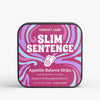


IV vitamin therapy has become a staple offering at wellness clinics, festivals, and hotels, marketed with promises of rapid hydration, hangover cure, and performance enhancement. A standard drip costs $150-$300 per session. Supplement strips cost a few dollars. The question is whether the IV route is actually worth the premium, and the honest answer is more nuanced than either the IV proponents or the sceptics suggest.
The Bioavailability Argument for IV
The core claim of IV supplementation is 100% bioavailability, intravenous delivery bypasses all absorption barriers and delivers nutrients directly to the bloodstream. This is true. For vitamin C specifically, IV delivery achieves plasma concentrations 30-70 times higher than any oral dose, because oral vitamin C bioavailability saturates at high doses due to intestinal transport limitations. Research by Dr. Mark Levine at the NIH documents that IV vitamin C can achieve pharmacological (not just physiological) plasma concentrations that are impossible to reach orally. For certain therapeutic applications, including adjunctive cancer care, this concentration difference matters clinically.
What That Means for Healthy Adults
For healthy adults getting an IV drip for wellness, performance, or hangover recovery, the clinical picture is different. Most water-soluble vitamins (B vitamins, vitamin C) above the level required to saturate enzymatic pathways are simply excreted, the body does not store them regardless of the delivery route. The expensive yellow urine produced after a high-dose IV vitamin drip is the excess that was never going to produce additional benefit. For electrolyte repletion after significant fluid loss, IV delivery is clinically superior, but so is an oral electrolyte drink, which achieves comparable restoration of fluid and electrolyte balance at negligible cost.
Sublingual Strips: The Middle Ground
Sublingual delivery sits between standard oral capsules and IV on the bioavailability spectrum. The sublingual mucosa provides direct vascular access without intestinal absorption barriers, achieving bioavailability meaningfully higher than capsules while avoiding the saturation limits of intestinal absorption. For most wellness compounds, B12, zinc, vitamin D, caffeine, magnesium, sublingual delivery achieves effective systemic levels that are clinically comparable to IV at a fraction of the cost and with zero procedural risk. The comparison detailed in our article on sublingual absorption science contextualises this further.
IV Risk: The Part That Gets Underplayed
Intravenous administration carries inherent risks that sublingual supplementation does not. Venepuncture carries infection risk, bruising, and phlebitis. In inadequately sterile settings, IV administration can introduce pathogens directly to the bloodstream. Rapid infusion of high-dose nutrients can cause adverse reactions. The FDA and medical authorities have repeatedly issued warnings about unregulated IV therapy clinics. For a wellness supplement protocol, the risk-benefit calculation heavily favours non-invasive delivery routes.
When IV Is Actually Justified
IV supplementation has legitimate clinical uses: severe dehydration requiring rapid repletion, therapeutic-dose vitamin C in oncology settings, B12 deficiency in patients with absorption disorders, and emergency management of electrolyte disturbances. These are medical situations. For the athlete, professional, or wellness-oriented person managing their daily nutrition, strips are the more rational choice, higher bioavailability than capsules, safer than IV, more convenient than either.
The smart alternative to a $200 drip. Convict Labs supplement strips deliver nutrients sublingually, faster than capsules, safer than IV, and priced for daily use. Shop the range.
