


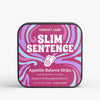


Energy drinks have a marketing budget. Supplement strips have better science. Here is the honest comparison between the two most convenient caffeine delivery formats on the market.
Caffeine Dose: Strips Win for Precision
A standard energy drink contains 80-160mg of caffeine depending on size. A large energy drink can exceed 300mg. Supplement strips typically deliver 75-100mg, a controlled, moderate dose backed by sports science as the optimal range for cognitive and physical performance without the side effect profile of high-dose caffeine. Precision matters. The research on caffeine performance benefits plateaus at around 3-6mg/kg body weight; above that, you are adding side effects without adding performance.
Onset Speed: Strips Win
This is the counter-intuitive result. Energy drinks are liquid, which suggests fast absorption, but they still need to pass through the stomach and small intestine before caffeine enters the bloodstream. The liquid format helps, but you are still looking at 20-40 minutes. Sublingual strips dissolve in under 30 seconds and caffeine begins crossing the mucosal membrane immediately, reaching systemic circulation in 10-15 minutes. For the practical question of "when will I feel this," strips are faster. See the full breakdown in our article on how caffeine strips deliver energy.
Sugar: It Is Not Even Close
A single 250ml energy drink contains 27g of sugar on average, equivalent to nearly 7 teaspoons. Regular-format drinks like Monster and Red Bull (non-sugar-free versions) deliver this sugar load alongside caffeine, creating a blood glucose spike and subsequent crash that compounds the post-caffeine adenosine rebound. Sugar-free versions replace sugar with artificial sweeteners, which research in Cell Metabolism suggests disrupt gut microbiome composition with chronic use. Supplement strips are sugar-free and contain no artificial sweeteners in quality formulations.
Calories and Body Composition
If you consume two energy drinks per day, you are adding 150-300 calories from sugar alone. Over a year, that is the caloric equivalent of 15-30 pounds of fat stores. Supplement strips are effectively zero calories. For athletes, people managing body composition, or anyone in a caloric deficit, the difference is material.
Portability and Practicality
An energy drink is a 250ml-500ml can. It needs to be refrigerated for taste, cannot go through airport security as a liquid, and produces a recyclable-waste stream. A strip packet fits in your pocket and requires nothing, no refrigeration, no cup, no water. For travel, training, and desk use, strips are categorically more practical. For more on portability, see our travel supplement guide.
Cost Per Dose
Premium energy drinks retail for $3-$5 per can. Quality supplement strips, at scale, cost less per caffeine dose and provide superior bioavailability, meaning a lower dose achieves the same effect. The cost advantage compounds over weeks and months of daily use.
Switch to the smarter format. Wired by Convict Labs gives you fast, clean, precise energy, no can, no sugar, no crash. Shop Convict Labs.
