


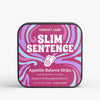


You know that caffeine works. What you may not know is that the way you consume caffeine dramatically affects how fast it works and how much of it actually reaches your brain. Caffeine strips are not just a convenient alternative to coffee, they represent a fundamentally faster delivery mechanism.
Why Coffee Takes So Long to Kick In
When you drink coffee, caffeine is absorbed through your gastrointestinal tract. It passes through your stomach (where acidic conditions start breaking it down), through your small intestine, and into the portal vein, which takes it to your liver before it reaches systemic circulation. This entire process takes 30-60 minutes to reach peak plasma concentration, according to research published in the Journal of Analytical Toxicology. If you have eaten recently, gastric emptying slows further, pushing that window to 90+ minutes.
How Sublingual Caffeine Works Differently
Caffeine is a small, lipophilic molecule, it readily crosses biological membranes. This makes it an excellent candidate for sublingual delivery. When a caffeine strip dissolves under your tongue, caffeine permeates the sublingual mucosa and enters the venous capillary network beneath, reaching systemic circulation in minutes rather than the 30-60 minute window for oral consumption. Research on buccal and sublingual caffeine delivery documents onset times of 10-15 minutes with peak effects occurring significantly earlier than equivalent oral doses.
The Dosing Advantage
Because sublingual delivery is more efficient, you can achieve the same stimulant effect with a lower dose. This matters for people sensitive to caffeine's side effects, jitteriness, elevated heart rate, and anxiety are dose-dependent. A well-formulated caffeine strip delivering 75-100mg sublingually may produce effects comparable to 125-150mg consumed orally. For more on how absorption efficiency affects effective dosing, see our article on supplement strips vs capsules bioavailability.
Caffeine Strips vs Energy Drinks
Energy drinks combine caffeine with sugar, artificial colours, and large volumes of liquid. The sugar spike followed by an insulin response creates the characteristic crash. Caffeine strips deliver a clean, precise dose without the liquid volume, sugar load, or artificial additives. They are also calorie-free, which matters for anyone managing body composition while training. There is no crash when there is no sugar spike.
Stacking Caffeine with L-Theanine
The combination of caffeine and L-theanine is one of the most researched nootropic stacks. L-theanine modulates caffeine's stimulant effects, reducing jitteriness while preserving, and in some studies enhancing, cognitive performance. Research in Nutritional Neuroscience documents improved attention, reaction time, and working memory from the combined stack versus caffeine alone. If you are sensitive to caffeine's edge, look for strips that include L-theanine in the formulation.
When to Use a Caffeine Strip
The faster onset makes timing more precise. Use a caffeine strip 10-15 minutes before you need the effect, before a workout, before a meeting, before a cognitive sprint. Because the peak arrives sooner, the duration is also cleaner: you are less likely to experience late-evening energy disruption if you time your last strip appropriately.
Faster energy, cleaner formula, zero sugar. Wired by Convict Labs delivers a precise caffeine hit sublingually, the fastest route from wanting energy to having it. Shop Convict Labs.
