


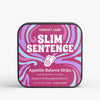


CBD gummies have become one of the most marketed sleep products in recent years. But when you compare them to sublingual sleep strips on the metrics that actually matter, clinical evidence, absorption speed, ingredient transparency, and consistency, a clear picture emerges.
The CBD Sleep Promise
CBD (cannabidiol) is marketed heavily as a sleep aid, but the scientific evidence is more nuanced than the marketing suggests. While some studies show CBD may reduce anxiety (which can indirectly improve sleep), direct evidence for CBD as a sleep-inducing compound is limited and inconsistent.
A 2019 study in The Permanente Journal found that anxiety scores decreased in 79% of participants using CBD, but sleep scores only improved in 66%, and actually worsened in some participants over time. The doses used in clinical settings (25-300mg) are often much higher than what commercial gummies contain.
The Dosing Problem With CBD Gummies
Most CBD gummies contain 10-25mg of CBD per serving. Clinical studies showing sleep benefits typically use 25-160mg or higher. This means many commercial products contain sub-therapeutic doses. Additionally, CBD is fat-soluble and has notoriously variable bioavailability, estimated at just 6-19% when taken orally.
Combine low doses with poor absorption, and many users are getting a fraction of what research suggests is needed for sleep benefits.
How Sleep Strips Compare
Sublingual sleep strips take a fundamentally different approach. Rather than relying on a single compound with inconsistent evidence, sleep strips combine multiple clinically-validated ingredients, melatonin, L-theanine, passionflower, and other sleep-supporting compounds, each dosed at clinically effective levels.
The sublingual delivery method provides 3-5x faster absorption compared to gummies that must be digested. Strips dissolve in 30-60 seconds and begin working in 10-15 minutes. Gummies can take 45-90 minutes as they pass through the digestive system.
Absorption: The Critical Difference
This is where the comparison becomes stark. Sublingual absorption bypasses first-pass liver metabolism entirely. Ingredients enter the bloodstream directly through the oral mucosa. For sleep compounds where timing matters, you want to fall asleep at a specific time, this speed advantage is significant.
CBD gummies face the dual challenge of poor inherent bioavailability combined with digestive processing. Even high-quality CBD gummies deliver an unpredictable amount of active compound at an unpredictable time.
Ingredient Transparency
The CBD industry has well-documented quality control issues. Independent lab testing has repeatedly found that many CBD products contain significantly less CBD than labelled, and some contain contaminants including heavy metals and pesticides. While reputable brands exist, the consumer burden of verifying quality is high.
Supplement strips from established brands like Convict Labs use standardised, well-researched ingredients with established testing protocols. Melatonin, L-theanine, and passionflower have decades of safety data and straightforward quality verification.
Cost Comparison
Premium CBD gummies typically cost $1.50-$3.00 per serving for sub-clinical doses. Sleep strips with multiple clinically-dosed ingredients often come in at a similar or lower price point, but deliver more active compounds at effective doses with better absorption.
The Verdict
CBD gummies work for some people, primarily through anxiety reduction rather than direct sleep induction. But the evidence base, dosing challenges, absorption limitations, and quality control concerns make them a less reliable choice than multi-ingredient sublingual strips backed by decades of clinical research.
If you want predictable, fast-acting sleep support based on proven ingredients, evidence-based sleep aids delivered sublingually are the stronger option.
Choose science-backed sleep support. Lights Out strips deliver clinically-dosed sleep compounds in under 15 minutes. No guesswork, no waiting. Shop now.
