




If you are consistently tired despite adequate sleep, eating well, and managing stress, iron deficiency is one of the first things worth investigating. It is the most common nutritional deficiency in the world, it directly impairs energy production, and it is frequently missed because symptoms are subtle until the deficiency becomes severe.
How Iron Controls Your Energy
Iron's role in energy is primarily through haemoglobin, the protein in red blood cells that carries oxygen from your lungs to every cell in your body. Haemoglobin contains iron at its core (haem), and without adequate iron, your body cannot produce enough functional haemoglobin. The result is reduced oxygen delivery to tissues, including your brain and muscles. Even without full anaemia, iron deficiency reduces aerobic capacity, cognitive function, and work capacity, all the things that constitute felt energy.
Iron is also a cofactor in the electron transport chain. Several of the protein complexes in mitochondrial ATP production contain iron-sulphur clusters. Depletion of these affects cellular energy production at the most fundamental level, independent of its effect on oxygen transport.
Who Is Most at Risk
Premenopausal women are the highest-risk group due to menstrual blood loss, research in the American Journal of Clinical Nutrition estimates that 10-15% of premenopausal women in developed countries are iron deficient. Female athletes are at even higher risk due to the combination of menstrual loss, increased iron requirements from training, and foot-strike haemolysis (the destruction of red blood cells during impact sports). Vegetarians and vegans are at risk because non-haem iron from plants has 2-5 times lower absorption than haem iron from meat. Frequent blood donors, people with celiac disease or inflammatory bowel disease, and those taking regular aspirin also fall into elevated-risk categories.
Diagnosing the Problem
Standard blood count measures haemoglobin and haematocrit, which only fall below reference range in frank anaemia. Serum ferritin, the storage form of iron, drops long before haemoglobin is affected. Research suggests that fatigue and impaired performance can occur with ferritin levels that are technically within the normal range but suboptimal (below 30-50 ng/mL). If you are investigating fatigue, request both a full blood count and serum ferritin, the latter is what actually reflects your iron stores.
The Absorption Challenge with Iron Supplements
Standard iron supplements, ferrous sulphate tablets, are associated with significant gastrointestinal side effects including constipation, nausea, and stomach cramping. This is largely because the high dose required to compensate for poor absorption overwhelms the gut. Newer iron forms like ferric maltol and iron bisglycinate have improved GI tolerability and comparable or better absorption. Sublingual iron delivery, while still an emerging area, offers a pathway to directly address the gut absorption bottleneck for people with impaired intestinal iron uptake.
Supporting Iron Absorption
Vitamin C significantly enhances non-haem iron absorption by reducing ferric iron to the more absorbable ferrous form. Taking iron alongside vitamin C, whether in diet or supplement form, substantially improves absorption efficiency. Conversely, calcium, tannins (in tea and coffee), and phytates (in wholegrains and legumes) inhibit iron absorption. Separating iron from these compounds by 2 hours improves how much you actually absorb.
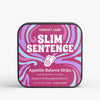
Address fatigue at the source. Iron Will by Convict Labs, targeted iron support in a convenient strip format. Shop Convict Labs.
